How the systemgot built
Jobs, then training, then equity, then capital. The thing underneath never changed.
About us
Conviction before capital
Why we exist
Capital doesn't build companies. People do, when they're inside the right relationships, with real knowledge in reach, in a place built on purpose for building. That's the whole bet.
Nobody built that place for early-stage founders. The university that could spot a builder early never talked to the capital that could fund them. The mentor who'd actually pick up the phone was three cities away, if they existed at all. Policy got written in rooms builders were never invited into. Every piece was out there, just never wired to any other piece.
Silicon Valley didn't happen because founders there were braver. Stanford, state policy, and capital were already moving in the same direction before the first accelerator opened its doors. YC walked into density that took decades to build and put a badge on it. Africa was never short on founders. It was short on everything underneath them.
That's the gap AyaHQ closes. Not by chasing the one outlier startup that beats the odds every ten years, but by building the system that makes readiness repeatable. We rewire how founders see their pathway, and we train them to walk it. We back founders before anyone else is willing to. We connect the university, the capital, the mentor, and the policy table into one working thing, so a founder's shot doesn't come down to who they happened to meet.
We built it rigorously on purpose. 778 applications, 25-plus countries. Just over 1 in 10 make it through. What comes out the other side doesn't wait for anyone's permission to know it's real.
This isn't measured in workshops run or events hosted. It's measured in companies that compete globally, open new markets, and put real jobs behind them, because for the first time, the system exists to make that outcome, not the exception.
What we do
Six years ago our first product was simple: place talent into remote jobs. It worked, right up until it didn't. The jobs were real. The talent was real. But the talent wasn't ready for what the jobs actually demanded. That gap had a shape, so we built something to close it. We called it PACE: problem solving, adapting, creativity, empathy. People trained against it directly. No certificate at the end. Just mini projects, small and real, proof that something had actually taken.
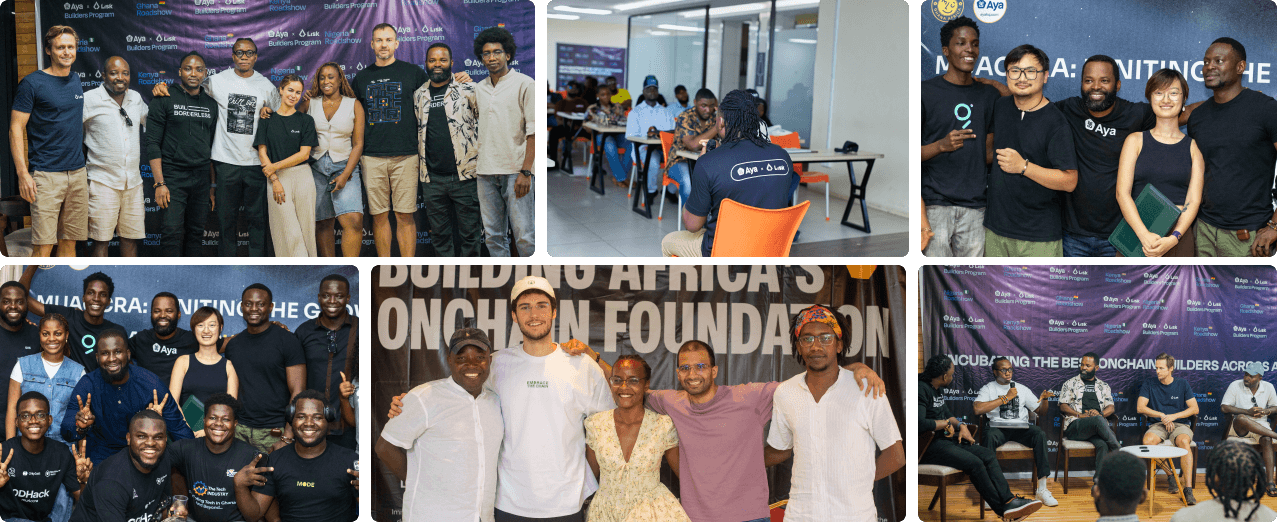
By September 2023, we knew enough to try something harder. Ten startups. Two cohorts of five. The program was free. In exchange, a small equity stake, nothing more. We funded it ourselves because nobody else was going to underwrite a model that didn't exist yet. Three of those ten are still standing. Lisk came back four times after that, our first commercial partner, still the only one. GCTU and UEW came on as formal university partners. Fund 1 exists because the next question after who's worth backing is always who's going to back them, and we'd already been answering that ourselves, quietly, with our own money, since the first ten.
Where we are now
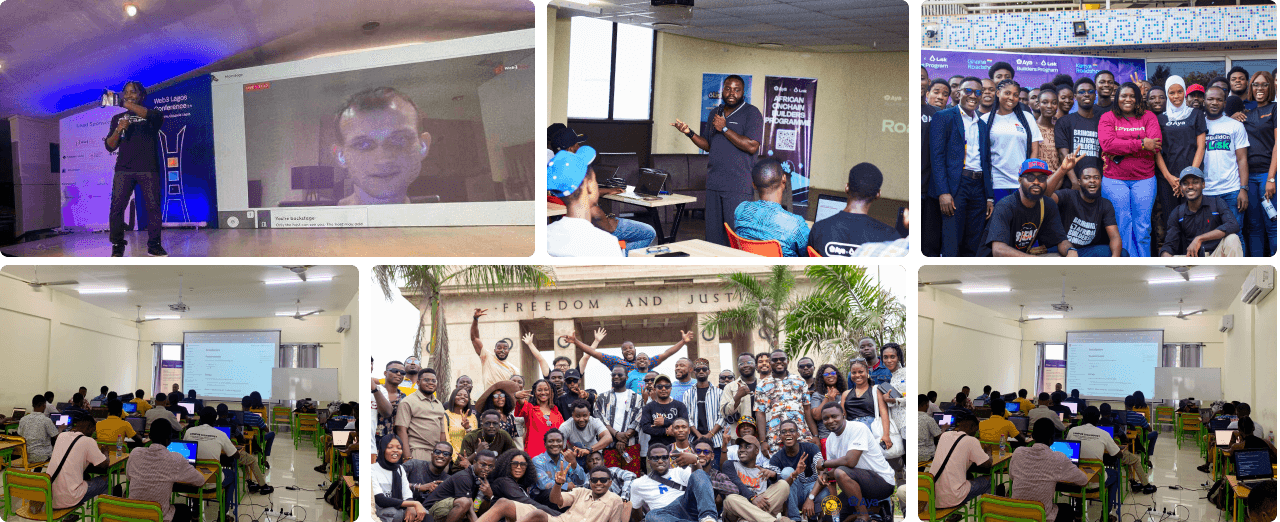
Lisk is our first, and so far only, closed commercial partnership, with four delivered cohorts. GCTU and UEW are signed university partnerships, the first pieces of what we want eventually to work the way Berkeley works for the Bay, campus as the front door to founders. That pipeline doesn't run yet. The partnerships do. Fund 1 is newly forming. We're naming where each of these actually stands because precision is the same instinct that built the incubation model in the first place.
Our story
Africa isn't short on founders. It isn't short on capital either, or mentors, or regulators willing to show up. All of it exists. It just sits in separate rooms, on separate timelines, mostly unaware the others are even in the building.
We didn't start there. Six years ago, our first product was a talent marketplace called AyaGigs, placing talent into remote jobs. It worked, right up until it didn't. The jobs were real. The talent was real. But the talent wasn't ready for what the jobs actually demanded. That gap had a shape, so we built something to close it. We called it PACE: problem solving, adapting, creativity, empathy. People trained against it directly, in teams: a developer, a designer, and a product manager together, ending each cohort with a working product, not a certificate.
By September 2023, we knew enough to try something harder. Ten startups. Two cohorts of five. The program was free. In exchange, a small equity stake, nothing more. We funded it ourselves because nobody else was going to underwrite a model that didn't exist yet. These weren't strangers picked on faith. We'd already spent three years watching people work, fail, retrain, and build. That counts for something. It just isn't a term sheet, which was the whole point.
Three of those ten are still standing. One, Soccersm, went on to raise from Lisk, funding built partly on groundwork already done inside the program. We still hold the same equity we took on day one.
That's the real product. Not the workshops. Not the hubs in Accra and Kilifi; those are just where the work happens. The product is what happens before anyone else is willing to place a bet: a filter that finds the founders worth institutional attention before institutions know to look, built out of years of watching what readiness actually looks like before anybody had a name for it.
Lisk came back four times after that. Our first commercial partner, still the only one. GCTU and UEW came on as formal university partners, the first pieces of what we want eventually to work the way Berkeley works for the Bay, campus as the front door to founders, not just a place people leave once they're ready to build. That pipeline doesn't run yet. The partnerships do. Fund 1 exists because the next question after who's worth backing is always who's going to back them, and we'd already been answering that ourselves, quietly, with our own money, since the first ten.
We've since acquired the first acre of land in Accra, with a plan to build toward ten acres across Accra and Kilifi, space for commercial residencies where builders from outside the continent can come build inside it too.
The programs kept changing shape. Jobs, then training, then equity, then capital. The thing underneath never did: making a founder in Kilifi legible to a regulator in Accra, and financeable to a fund in London. That's the company.
The people behind AyaHQ
Meet the team
2x founders with 20+ years of combined experience.


Eric Annan
CEO / Founder
An accomplished entrepreneur with over 15 years of experience, Eric previously co-founded Digital Kudi and KuBitX, blockchain trading and remittance platforms.
Connect on LinkedIn

Pishikeni Tukura
COO / Co-Founder
Pishikeni brings 7+ years across operations, product management, strategy, customer relations, business development, and marketing.
Connect on LinkedIn

Dennis Ukonu
CTO / Co-Founder
Dennis is a seasoned software engineer and manager with 8+ years of experience who turns complex systems into the tools our builders ship on.
Connect on LinkedIn

Michael Lawal
Business Advisor & Partnership Lead
A 3-time founder with 15+ years across blockchain sectors: centralized finance, wealth preservation, and sustainability.
Connect on LinkedIn

Dr. Samuel J. Berko
Strategic Advisor & Capital Architect
A strategic advisor and capital architect driving corporate governance, multi-asset financial structuring, and capital acquisition for high-growth ventures across West Africa.
Connect on LinkedIn